A new kind of engineer: Granger Morgan and the EPP legacy
EPP’s founding department head reflects on pioneering a groundbreaking curriculum at Carnegie Mellon that brought policy into the heart of engineering.
Hillary Roman
Aug 11, 2026
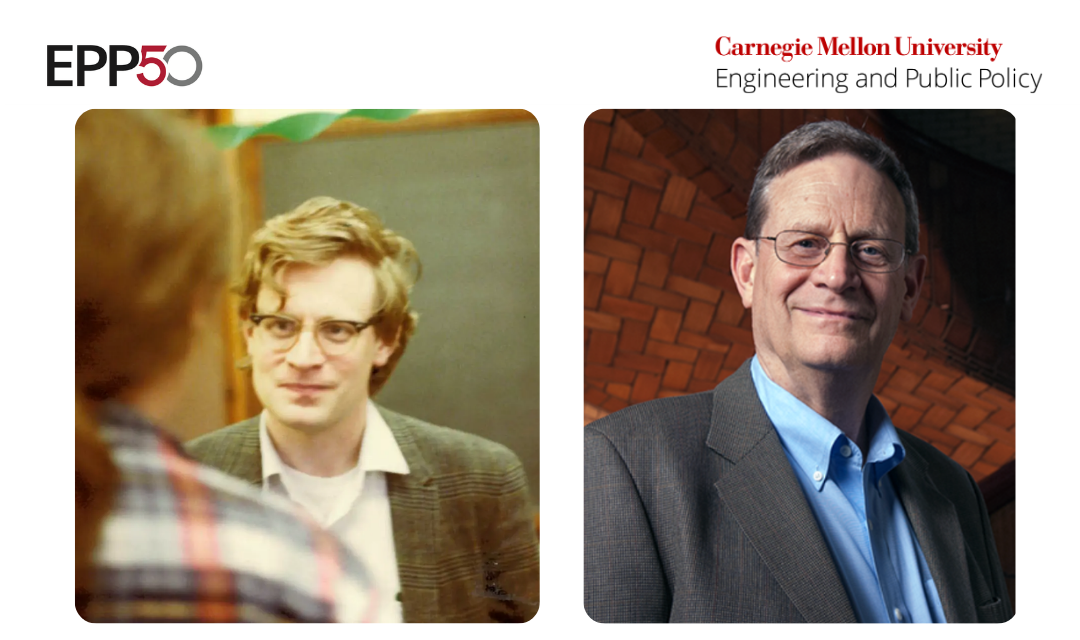
If you want to understand the soul of Carnegie Mellon University’s Engineering and Public Policy (EPP) department, you have to look past the dense academic journals and the prestigious grants. EPP’s story begins with a radical shift in how we think about training engineers, born out of a crucial realization: modern engineering is never just technical.
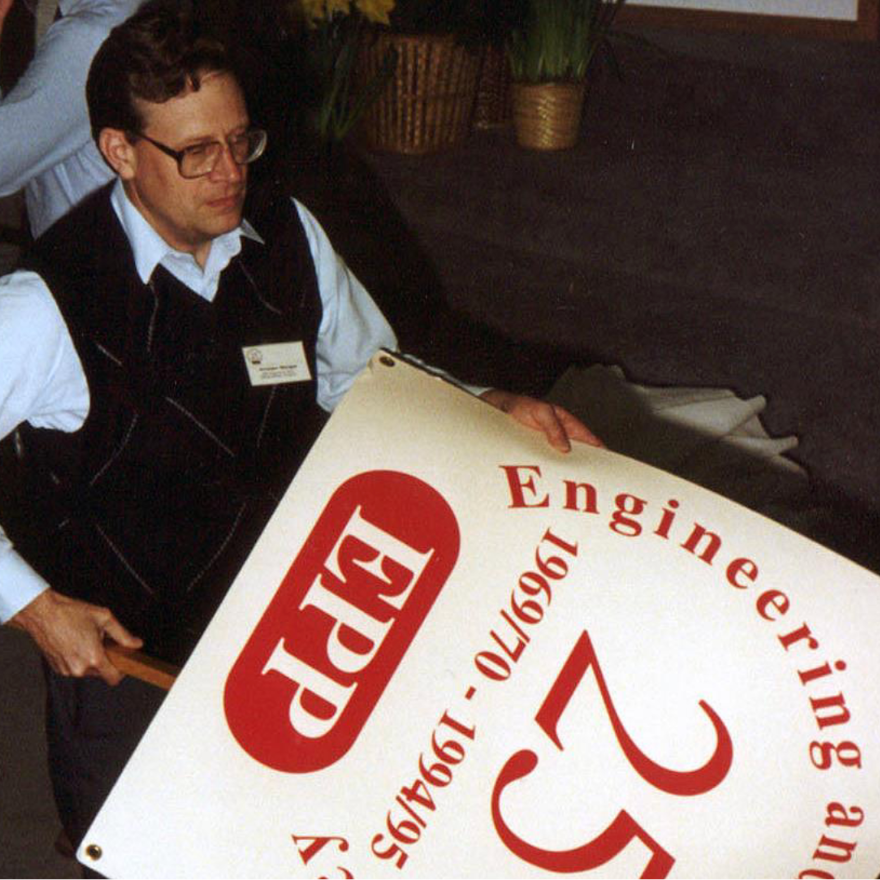
As EPP kicks off its 50th anniversary celebration, founding department head Granger Morgan sat down to look back at the department's origins. It’s a story defined by happy accidents, stubborn visionaries, and a radical idea that transformed modern engineering education.
Bridging the gap between technology and policy
Fifty years ago, EPP wasn’t a department; it was barely a program. The initial spark came from the late Herb Toor, the then-dean of the engineering college. Morgan affectionately remembers Toor as a “wonderful, crusty chemical engineer.” Toor looked at the landscape of the 1970s and came to a bold conclusion: engineering schools were doing a fantastic job training people technically, but the actual practice of engineering was growing messy, human, and deeply political.
Toor teamed up with like-minded materials scientist Bob Dunlap to create a brand new double major program to address “sociotechnical” challenges in engineering. It was an ambitious experiment, but it soon became clear that if this new hybrid discipline was going to survive, it needed a research-driven anchor in the graduate school.
EPP’s first department head
Source: Carnegie Mellon University Archives
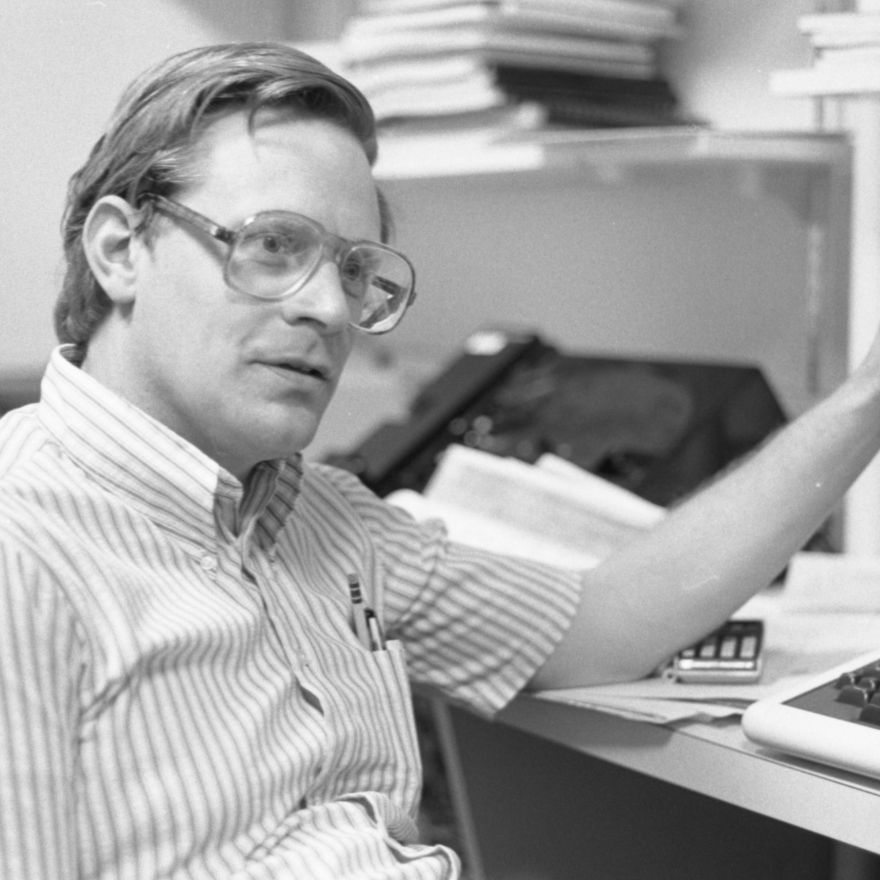
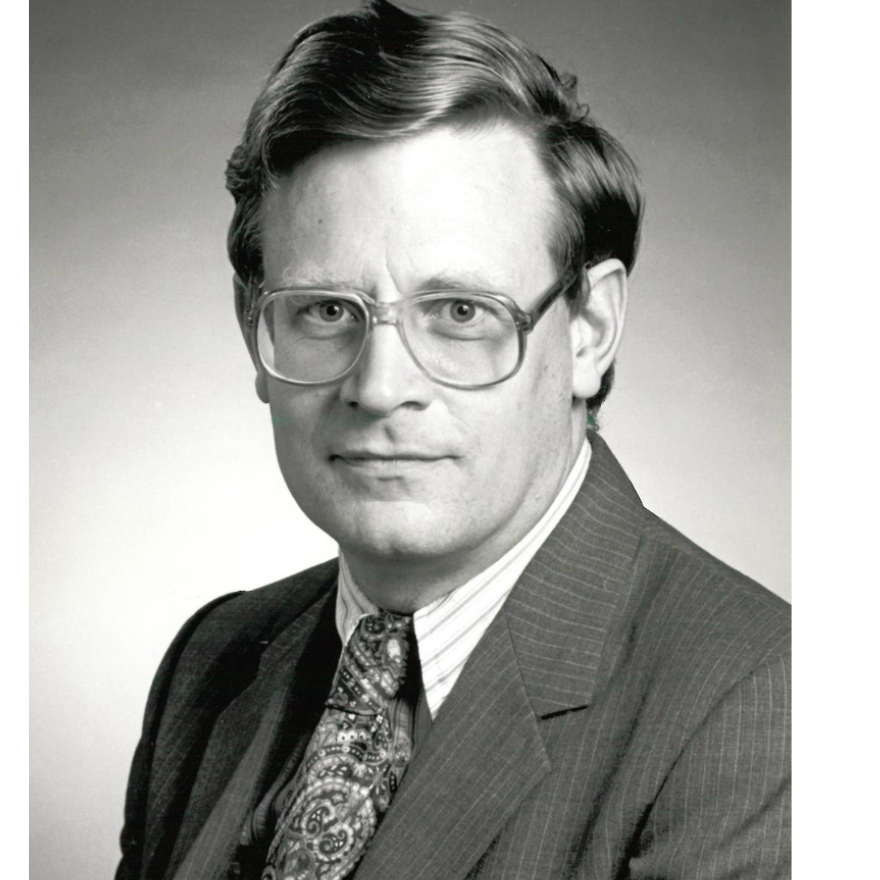
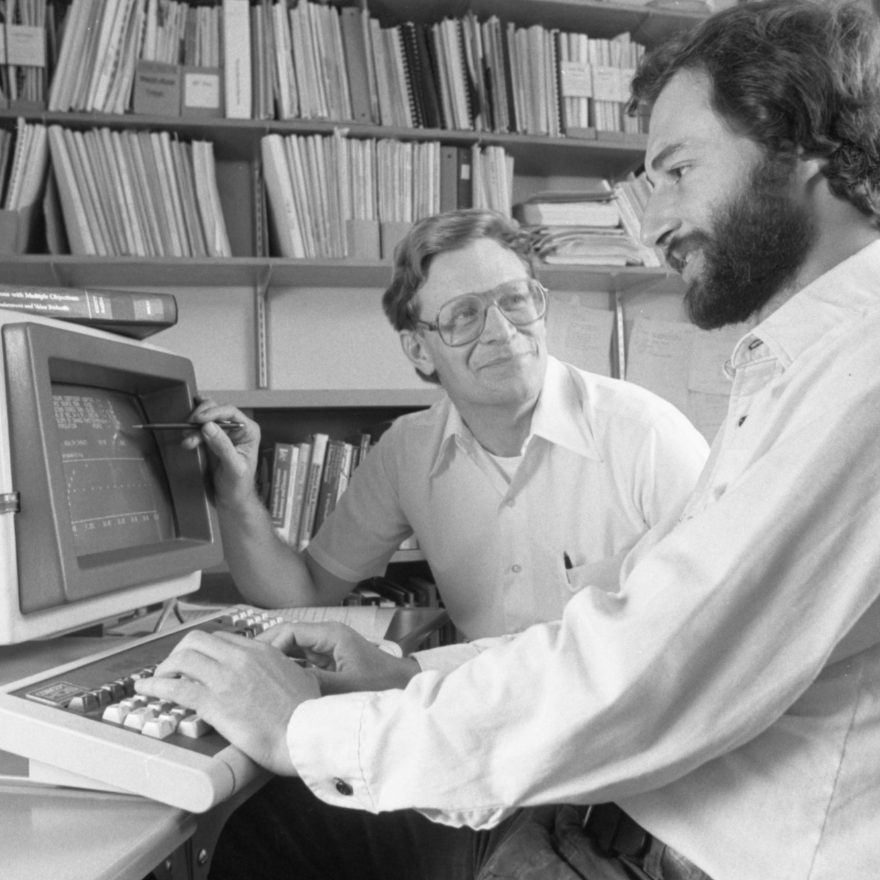
Enter a young Granger Morgan, recruited to a 50/50 joint appointment with Electrical and Computer Engineering, charged with figuring out what an EPP graduate program (originally called Engineering and Public Affairs) should actually look like.
Source: EPP Archives Collection
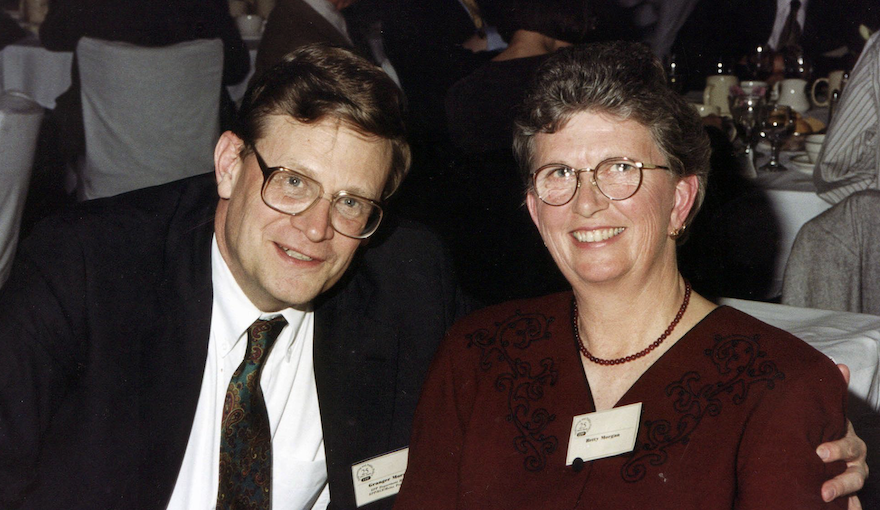
“One of the things I still vividly remember,” said EPP founder Ed Rubin, “was the resume Granger sent us with his application for the position. It was the first and only time I had seen someone devote perhaps a third of a page of his own two to three‐page resume to describe the background and accomplishments of his wife, Betty.” Rubin recognized that Morgan was cleverly making clear that his hire would mean a two-talents-for-the-price-of-one package deal.
Founding a department
At the time, MIT was building a professionally oriented master's program in technology policy. EPP lacked the resources to do both a master’s and a Ph.D., leaving Morgan and his colleagues at a crossroads: follow the established path or roll the dice on a doctoral program.
Morgan harbored a specific worry. He feared a master’s degree in the field would devolve into a series of industry case studies, forgoing the development of new research domains and methods. Wanting something more innovative and sustainable, Morgan and the EPP founders decided to take a big gamble on a research-oriented Ph.D. program. “We swallowed hard,” Morgan laughs. “And I think, to everybody’s amazement, certainly ours, we succeeded beyond our wildest expectations.”
Today, that gamble has yielded close to 500 Ph.D.s—each a scientist or engineer who dedicated years of study to a policy issue where understanding the science was crucial. EPP defined its identity on a core mission: training engineers to solve policy problems where the technical details really matter.
I think, to everybody’s amazement, certainly ours, we succeeded beyond our wildest expectations.
Granger Morgan, Professor, Electrical and Computer Engineering, Engineering and Public Policy, Heinz College
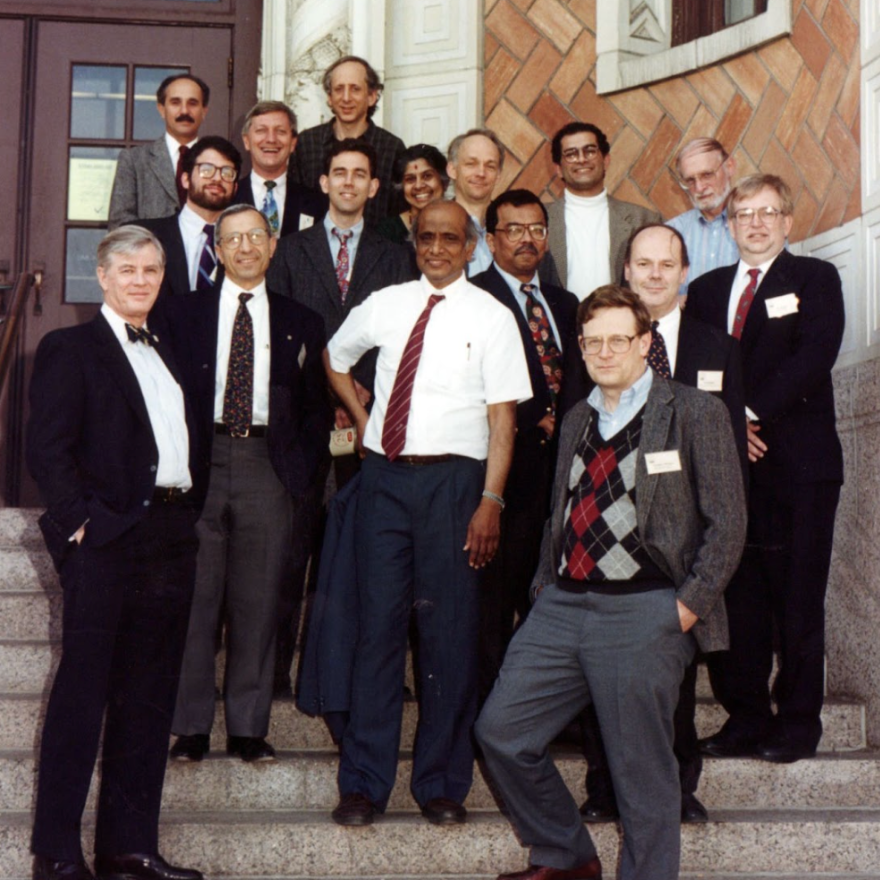
Source: EPP Archives Collection
A new breed of engineer
Finding the right minds required creative thinking. Morgan recruited EPP’s very first Ph.D. graduate, Alex Hills, by placing a classified ad in IEEE Spectrum. Hills responded all the way from Kotzebue, Alaska, a tiny outpost north of Nome, where he was running the local telephone exchange and a public radio station. Hills made the trek to Pittsburgh, pioneered telecommunications policy research, and went on to become a CMU vice provost who installed the campus's very first wireless internet network.
Over the five decades to follow, that same spirit attracted a distinct interdisciplinary cohort. EPP consistently graduates both domestic and international students who go on to shape global policy. Women have often made up half of the department’s classes, a notably high proportion for an engineering program.
In the policy space, problems rarely come all wrapped up with a bow that says ‘This is an X type of problem.’
Granger Morgan, Professor, Electrical and Computer Engineering, Engineering and Public Policy, Heinz College
The real world: Part B
How do you teach an engineering student to take on complex real-world issues that have no roadmap? “We want to know whether this student can structure big, messy, unstructured problems,” says Morgan, “because in the policy space, problems rarely come all wrapped up with a bow that says ‘This is an X type of problem.’”
That’s where the Part B exams come in. As part of the qualifying exam process, EPP Ph.D. students are handed a dense, inch-thick brief on a hypothetical complex problem, ranging from an airline evaluating anti-missile technology, to a microelectronics firm designing early-warning systems for earthquakes in Sichuan, to controlling invasive species in ship ballast water.
Students have a multi-day window to build a framework from this unstructured brief and integrate the science they’ve learned to chart a path forward. Years later, students often credit the exams with preparing them for challenging careers. Morgan notes a common refrain from alumni. “You know, the Part B exams really made a big difference in my career. You told me at the time my career would look like an infinite series of these things. I didn’t believe you, but that’s how it worked out.”
Core domains
As it’s grown, EPP research coalesced around four core pillars that still define it today:
- Energy and Environment: driven early on by cleaning up Pittsburgh’s steel mills and power plant emissions, informing climate and energy policy.
- Information and Telecommunications: tackling digital networks, spectrum policy, and tech access.
- Behavioral Social Science and Risk Analysis: recognizing that implementation of engineering policies requires an understanding of how people actually interact with technical decisions.
- Management of Technical Innovation and R&D: examining how new technologies are brought to market and regulated.
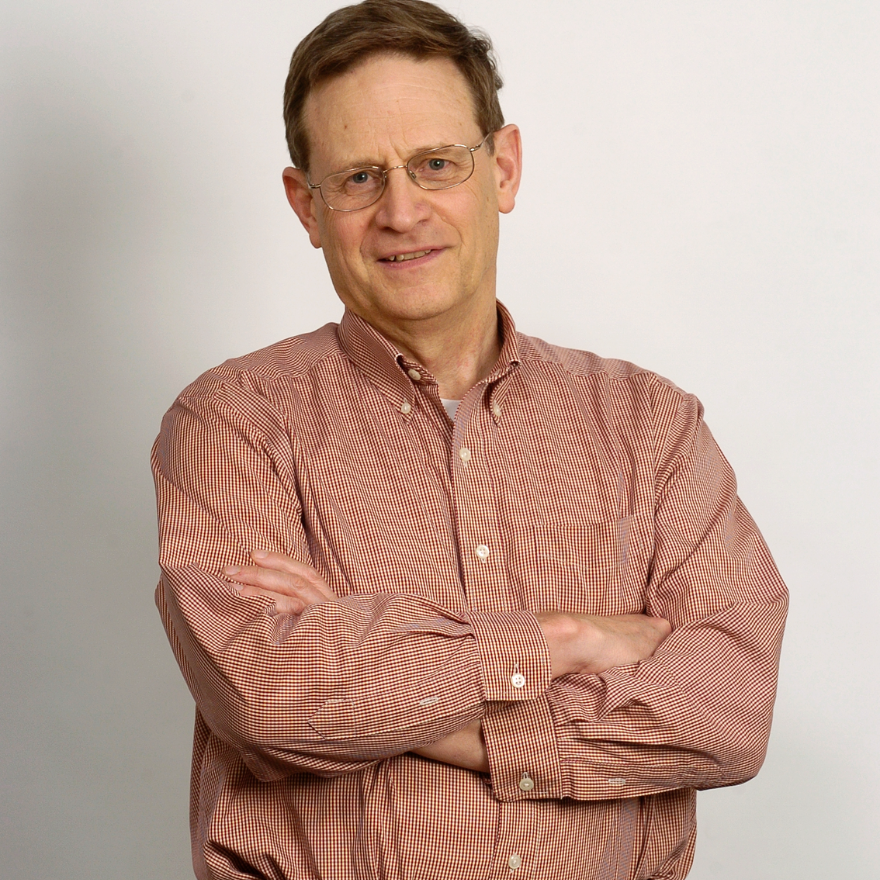
Source: Carnegie Mellon University Archives
Carrying the legacy forward
Fifty years after Herb Toor and Bob Dunlap founded EPP on the belief that society’s biggest challenges demand technical depth, the department continues to train engineers who know that the details matter.
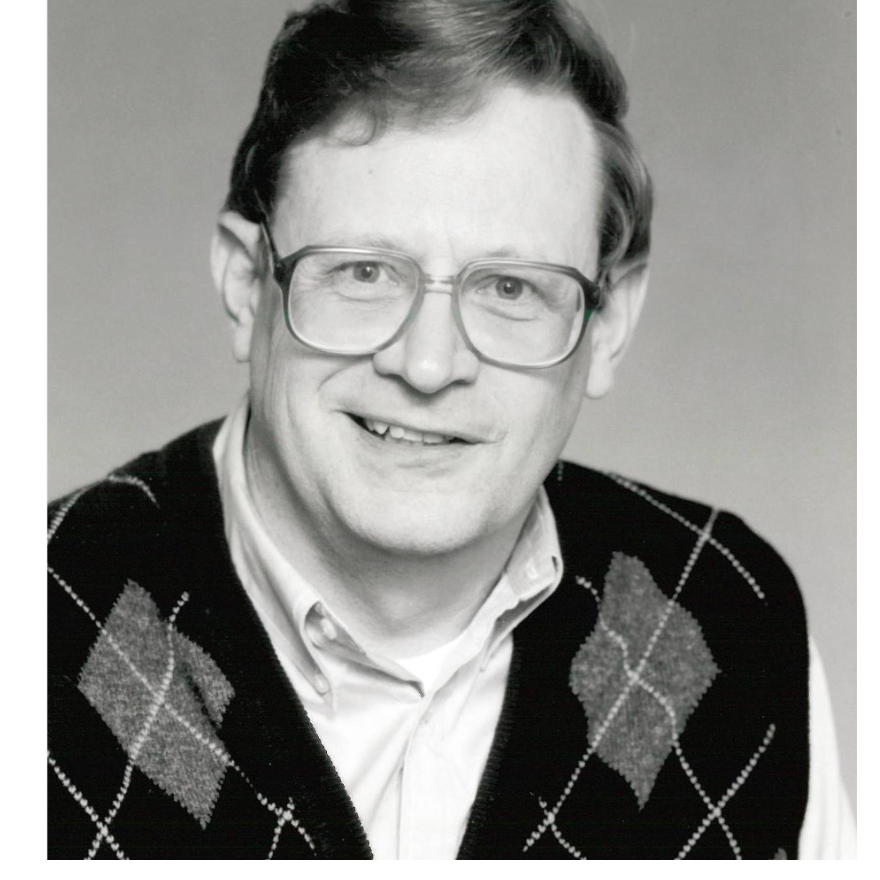
Today, after leading the department for an extraordinary 38 years, Morgan remains a fixture at EPP, actively stewarding the field he helped build and inspiring the next generation of impact-driven engineers.